
For service teams
Start with dispatch, technicians, reports and the app. Add assets, stock and analytics when the service operation matures.
Sepolo platform
Some customers need dispatch and technician planning. Others need asset history, spare parts, impact mapping, analytics, connected monitoring or ERP data access. The platform works as one model, but each pillar solves a clear business problem on its own.
Platform pillars
Each pillar has its own page with the business problem, what Sepolo does, what data is involved and which adjacent capabilities normally connect to it.
Service operations
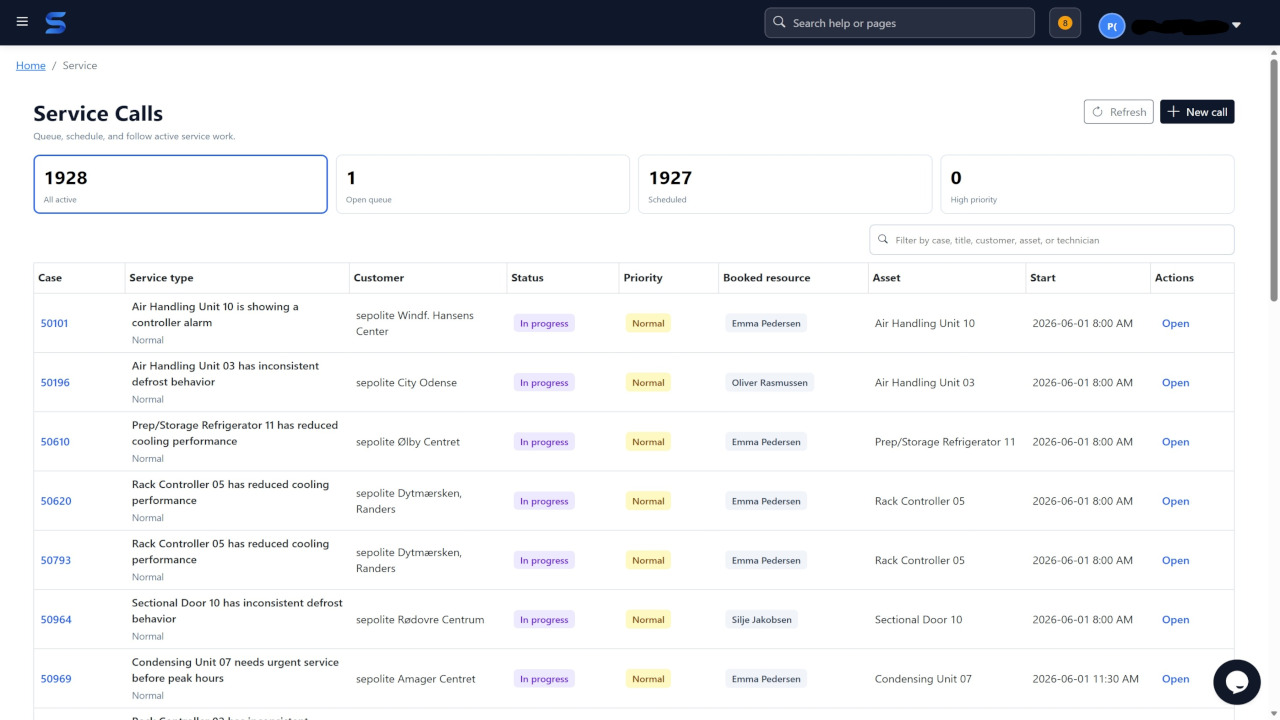
Plan, prioritize and follow service work from the first customer call to completed report, SLA compliance, remote support and invoice-ready visit.
Asset maintenance
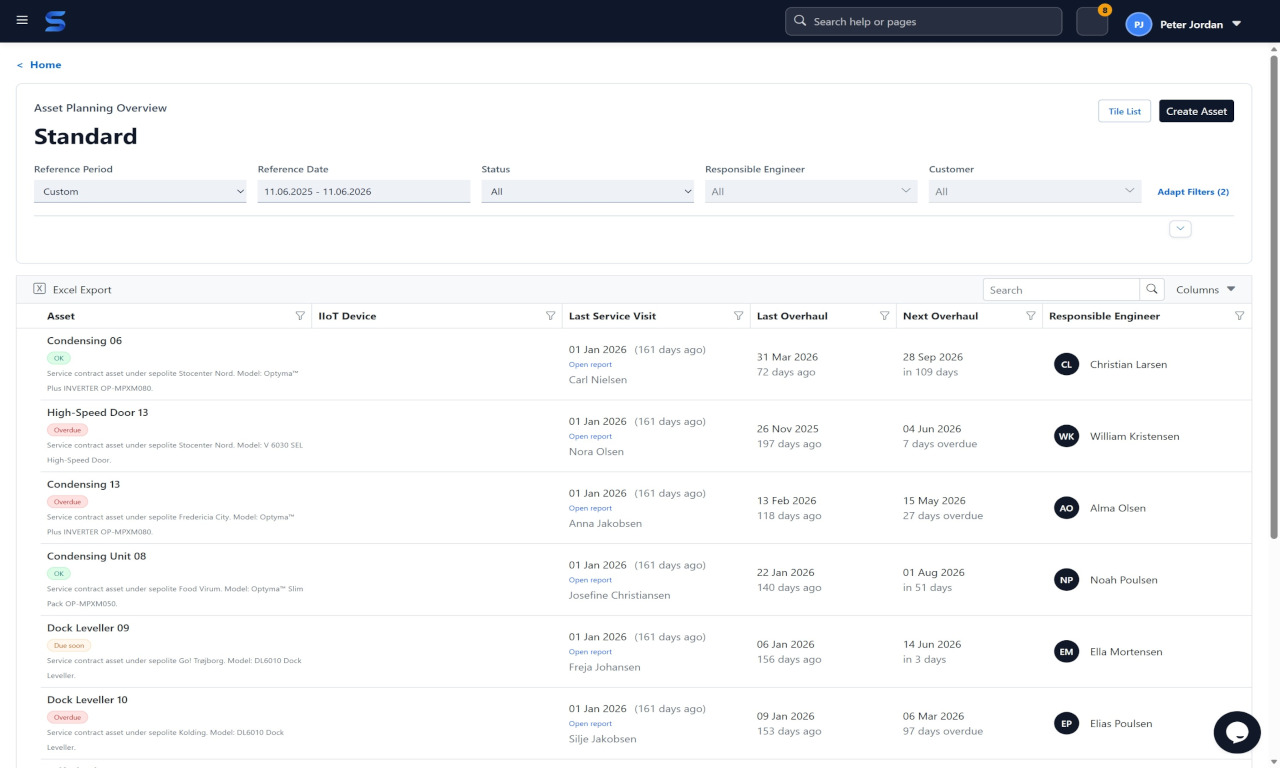
Keep every asset, model, location, service visit, replaced part and cost history connected in one operational record.

Stock and parts
Track parts used in service, stock value, vendor information, replacement history and future restock needs.
Business impact
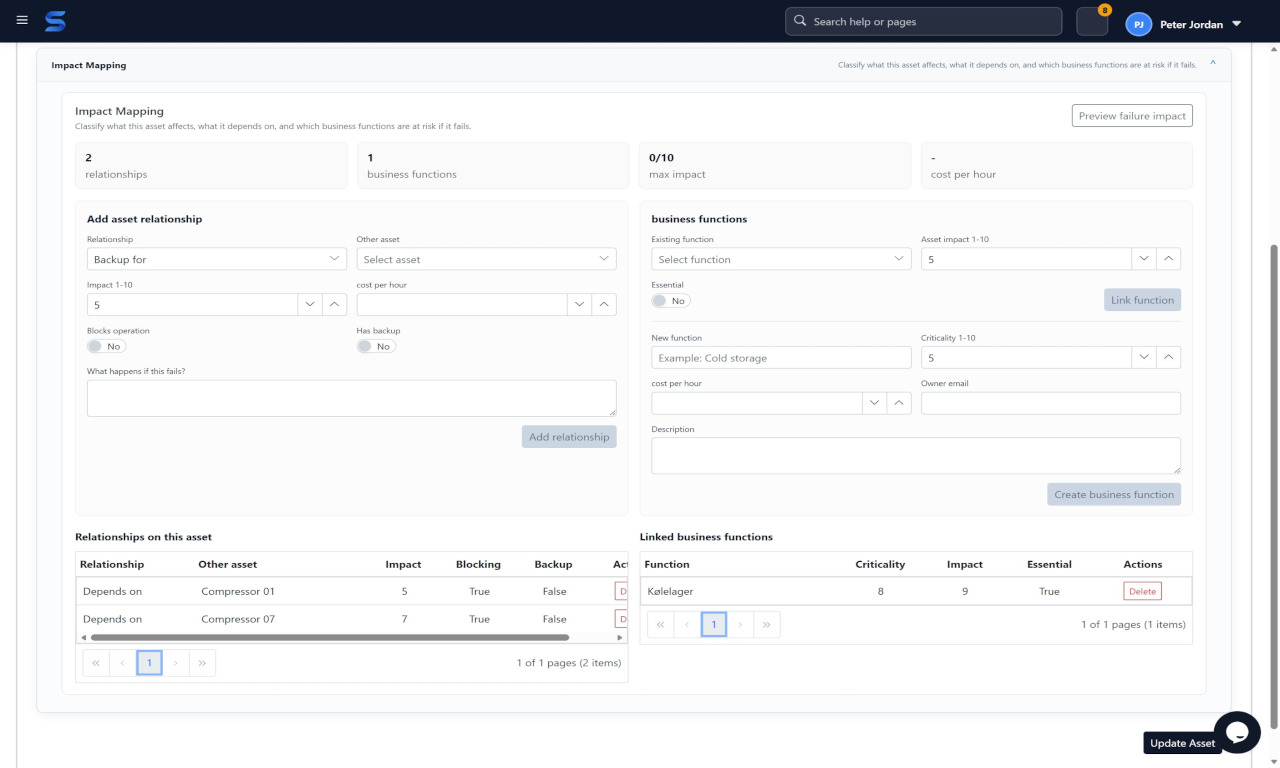
Map what an asset affects, what depends on it, and what business functions are at risk if it fails.
Analytics and economy
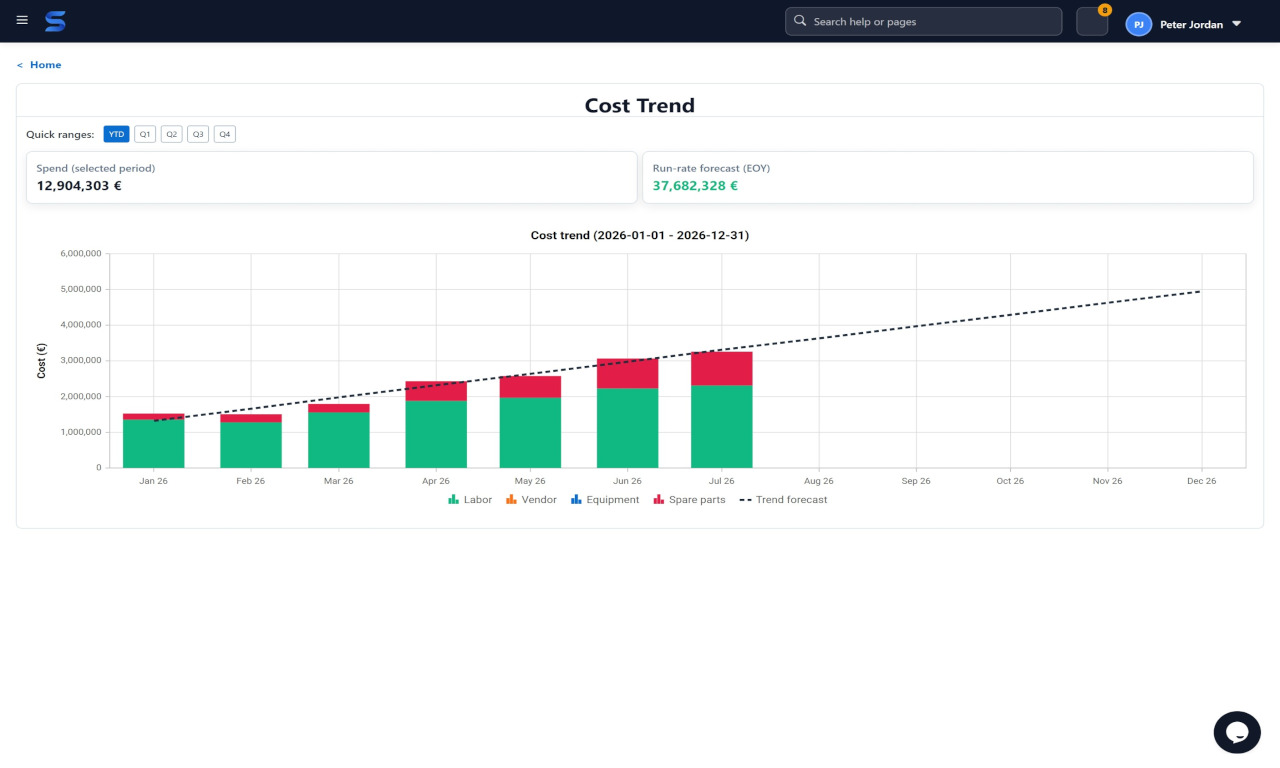
Understand where service money goes across labor, parts, vendors, assets, agreements, SLA breaches, rework, planning drift and future spend.
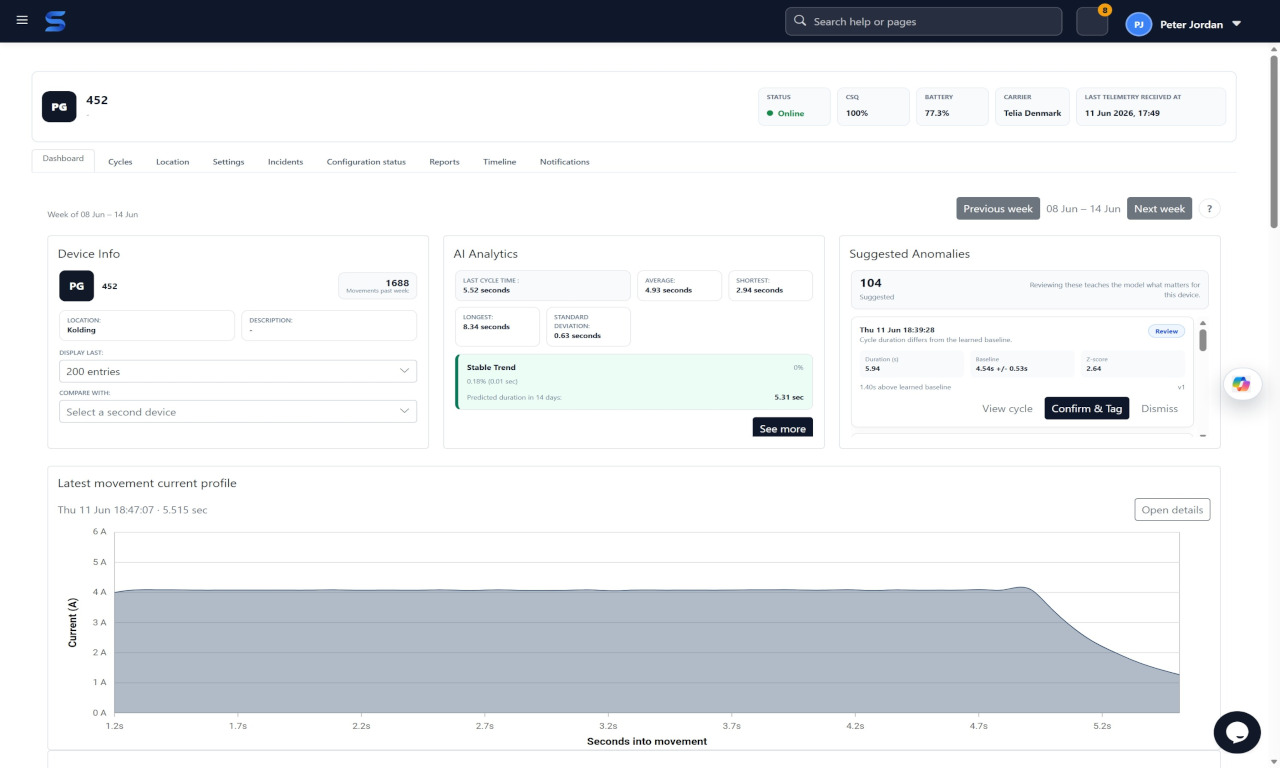
Connected monitoring
Connect operational telemetry to assets so abnormal behavior can become service context, not just another alarm.
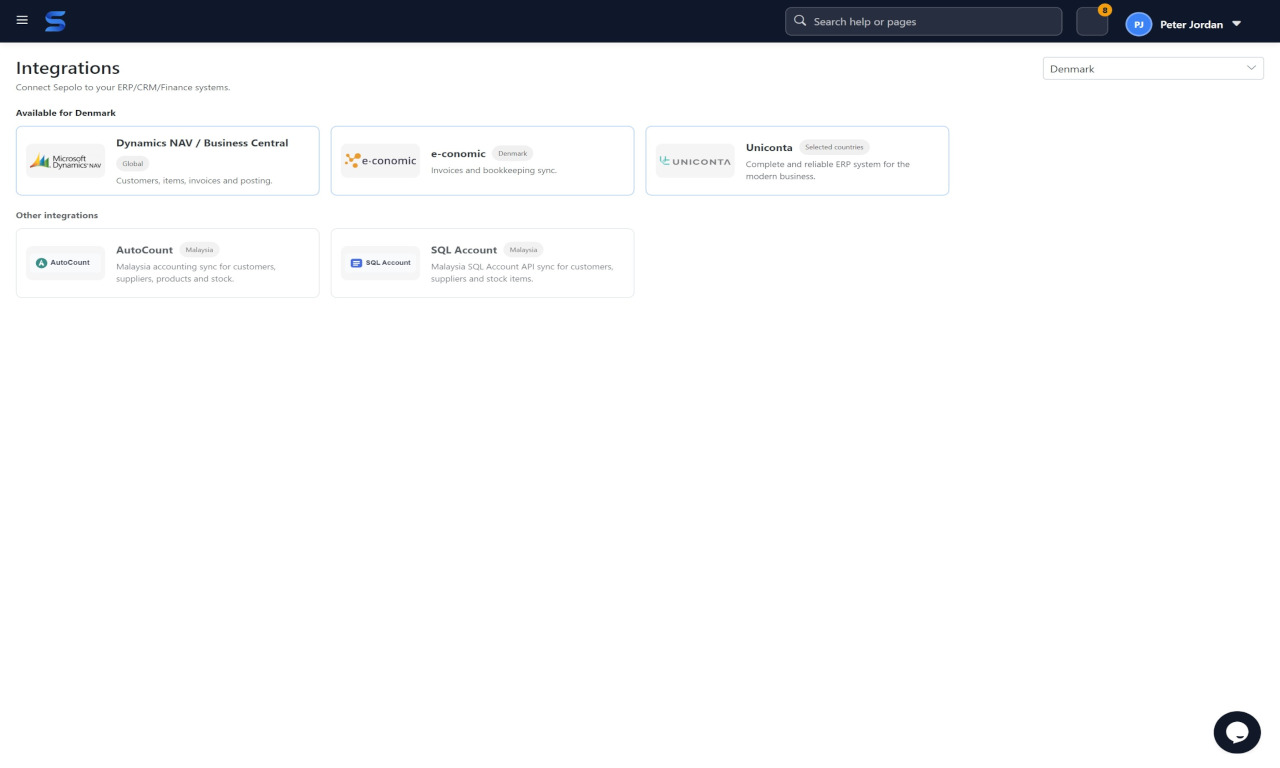
Integrations and data access
Connect Sepolo service data to ERP, reporting tools, partner applications, Power BI and automation flows.
Guided paths
The pages are connected so visitors, search engines and AI agents can understand the relationship between service execution, assets, stock, impact, analytics, monitoring and ERP integration.
Start with dispatch, technicians, reports and the app. Add assets, stock and analytics when the service operation matures.
Start with asset history and maintenance planning. Add impact mapping and connected monitoring when criticality matters.
Start with cost analytics, rework, utilization and invoice handover. Add ERP and API access for reporting.
Start with PointGuard or RailGuard monitoring, then connect anomalies to assets, impact and service response.
Start with the pillar that matters now and expand when the organization is ready.